Gabriel's Horn
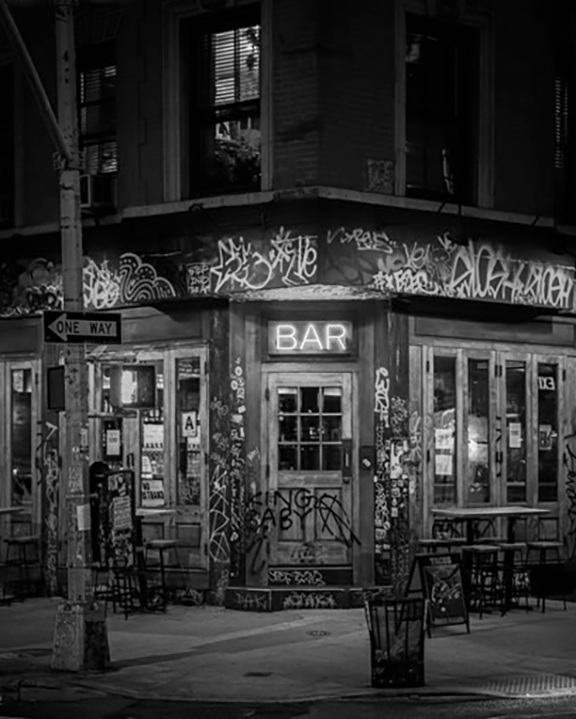
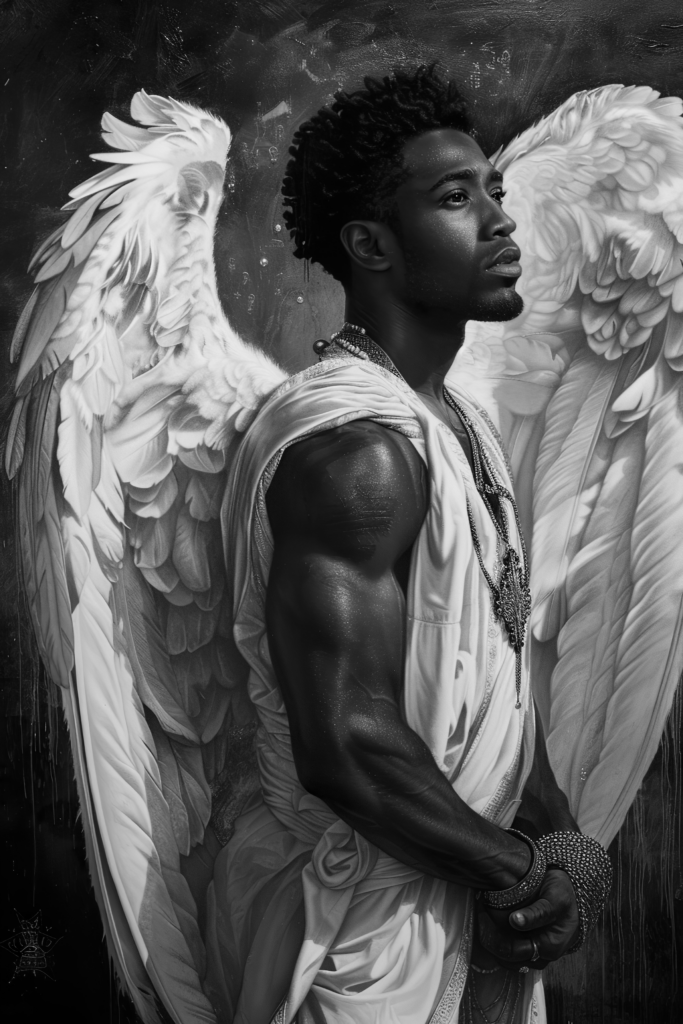
Gabriel, the archangel, has lost faith for fighting in an unjust war. He abandons Heaven, takes up residence in a dive bar in Bushwick, where playing jazz has become his new faith. He drinks to forget, and numbs his pain with a different woman each night.
All is good for Gabriel—until Heaven wants him back.
Director’s Vision
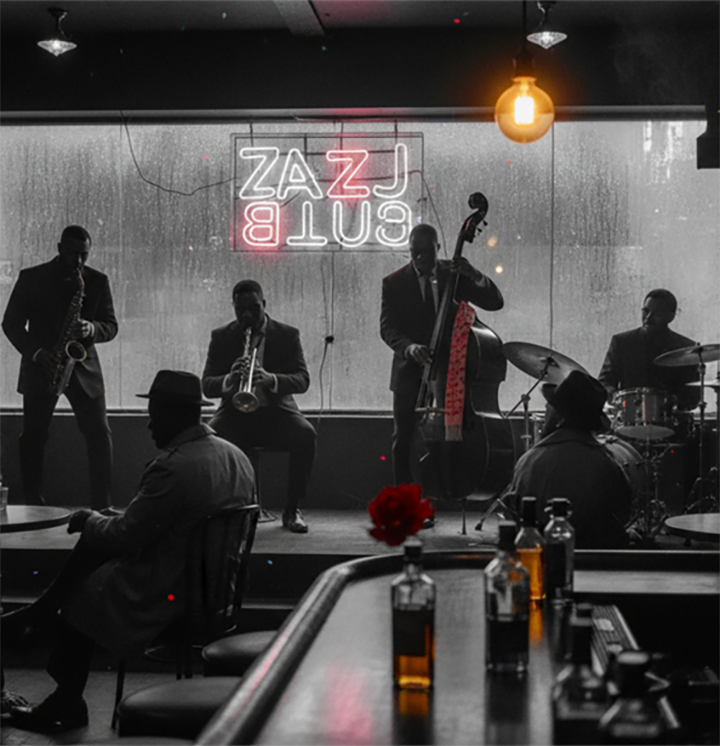
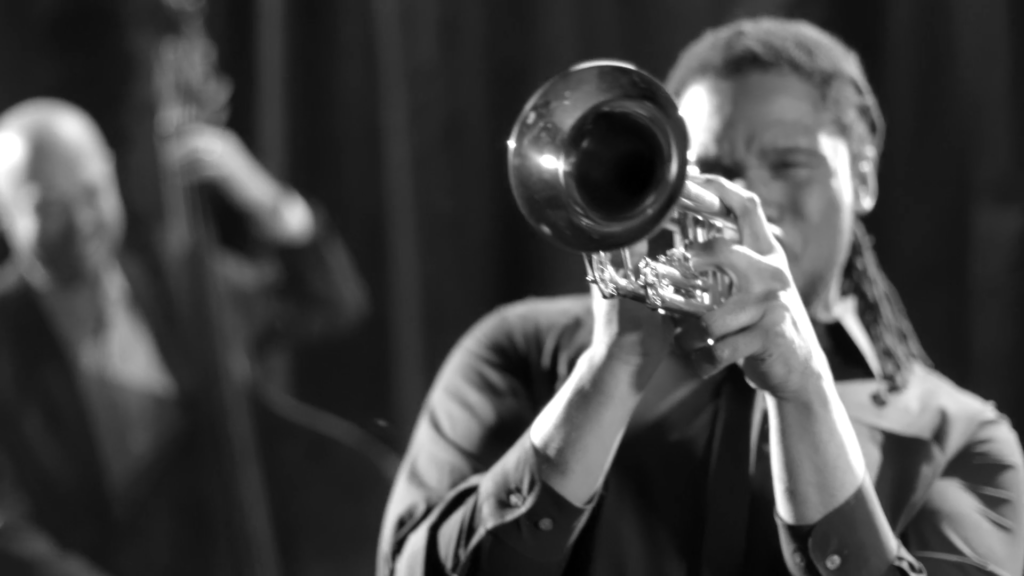
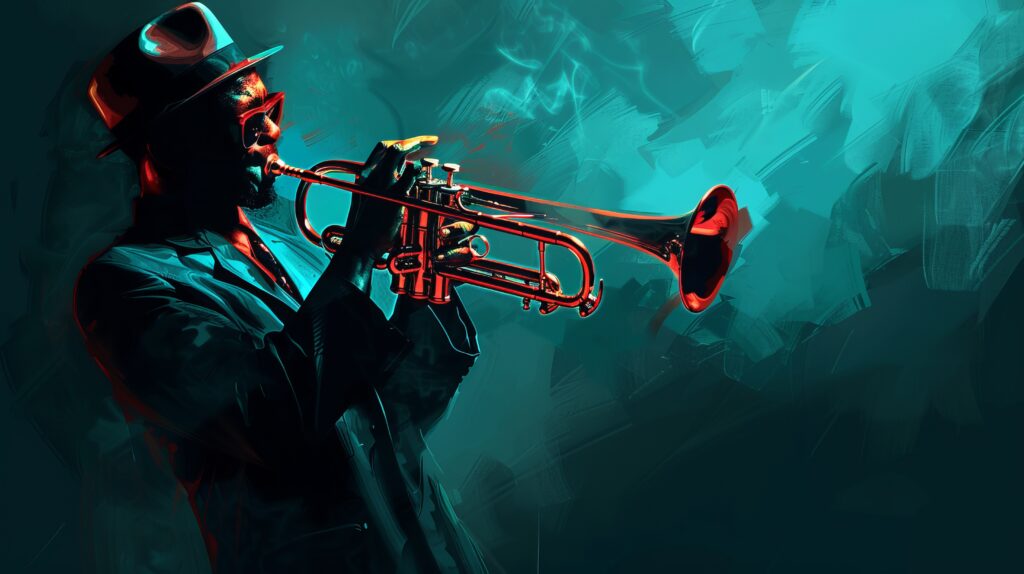
It was way past midnight in a cramped dive bar in the East Village. Most of the patrons were drinking to wash away the pain that brought them there. I was sipping on a Heineken watching a jazz quartet setting up on a tiny stage in the corner, when my eyes were drawn to the trumpet player, a handsome black man with dreads. His five o’clock shadow was pushing past 6:00, and the chiseled lines in his face suggested that he had the weight of the world on his shoulders, but his cool demeanor and understated style suggested he had it under control. He was dressed all in black: shoes, slacks, buttoned shirt with a tie–enveloped in a “wrinkled just enough” linen duster. He drank a highball of bourbon, which he rested on the upright piano. He counted off and the band began to play.
It was a soulful R&B with a hardcore jazz trumpet as its lead. I’ve never heard a live trumpet player play that well. The sound was heavenly. Who was this guy and why was he playing in a dump like this? Then, I had an epiphany. I envisioned a Heaven where all the occupants were Black. (This “take” is a complete 180 turn from “It’s a Wonderful Life,” “Heaven Can Wait,” or “Wings of Desire,” where Heaven is portrayed as White.)
Using the Book of Revelation as a backstory, with a modern urban twist, I visualized a troubled angel struggling with his faith and abandoning Heaven. I imagined an archangel devolving into a barfly. Where would he end up? What would he do? And, what would be the penance and price if Heaven wanted him back? This is where I began to construct the world of Gabriel’s Horn.
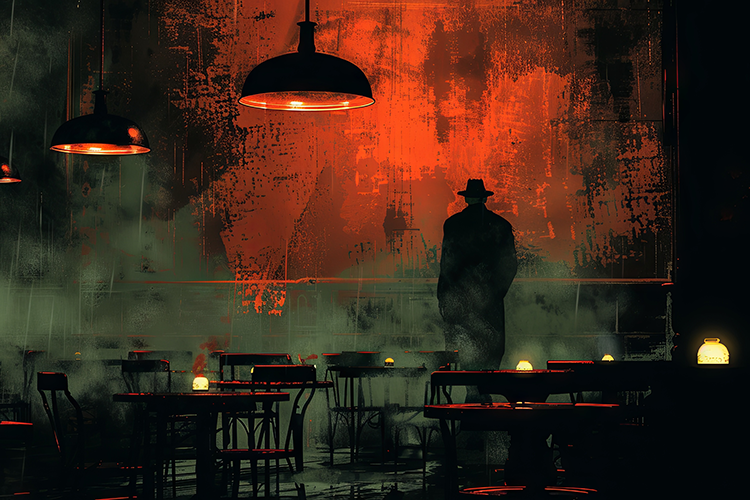
The story of Gabriel’s Horn explores the theme of duality. The main theme delves into the process of going through a paradigm shift in life, losing the foundation you stand on, and the search for a new one. It takes place in two worlds fighting for survival. The dominant landscape is cold and gray with hard shadows and dim light. A gritty setting filled with illicit backroom deals, high-stakes gambling, swathed in hazy cigarette smoke and the unrelenting exploitation that comes with drugs, hard drinking, and prostitution. Juxtaposed against that landscape is the emerging world that is slowly washing away the old one. Not obvious, just subtle splashes of color against the dominant gray and cold world, hinting to us that something new is on the horizon. Even the characters living in this mixed world represent duality. Humans and angels coexist. Amongst the celestial beings, there’s an almost indistinguishable line separating angel and demon. The neighborhood also offers up its own struggles with duality. As gentrification seeps into Bushwick, Brooklyn, the old neighborhood fights furiously to survive, desperate to halt the change.
The heart of Gabriel’s Horn lies in the music. Hardcore jazz trumpet dominates the soundtrack with a subtle Hip-Hop/R&B undertow that opens the door for a younger audience that hasn’t experienced true jazz. In no way will the Hip-Hop/ R&B overpower the jazz trumpet, rather it will act more as a secondary color in the film where the jazz trumpet is the primary color. Regardless of the tempo of the tune being performed or heard throughout the film, the haunting mood of pain and suffering will echo throughout. Think of a more contemporary version of Miles Davis’s score, “Elevator to the Gallows.”
Theme, Tone, and Style:
Gabriel’s Horn centers on the devastation of a paradigm shift: when your core beliefs collapse, your foundation disappears, and you’re left staring into the void. It’s about that emptiness, how it tests you, reshapes you, and forces you to search for something new. Redemption hangs in the balance, not as a guarantee, but as a possibility for those willing to confront the damage they’ve done.
Visually, the film lives in a neo-noir world. The story unfolds in stark black and white, carved by hard shadows and dim light. Fleeting bursts of color cut through the monochrome, signals of an emerging new world that will overwrite the old one. These bursts of color sit at the core of the conflict, mirroring the characters’ struggle to rebuild themselves while reckoning with their past sins.
Music is the soul of Gabriel’s Horn. A hardcore jazz trumpet layered with a subtle Hip-Hop and R&B tempo drives the tracks performed by the Gabriel Quartet. The music traces Gabriel’s arc from barfly to failed hero. The quartet reimagines 1970s R&B tracks as jazz standards with a rebellious hip-hop edge. Roy Ayers’s Everyone Loves the Sunshine underscores Gabriel’s carefree lifestyle after abandoning Heaven. Marvin Gaye’s Trouble Man reflects his inner battles and fight for survival amid his alcohol addiction. Eddie Kendricks’s Keep on Truckin’ captures his stubborn persistence through it all. The film’s score is performed by a quartet as well, led by a bass clarinet, setting a haunting tone steeped in pain, loss, and endurance.